
KIPIANI OR KHVANCHKARA, WHAT WAS BEFORE?
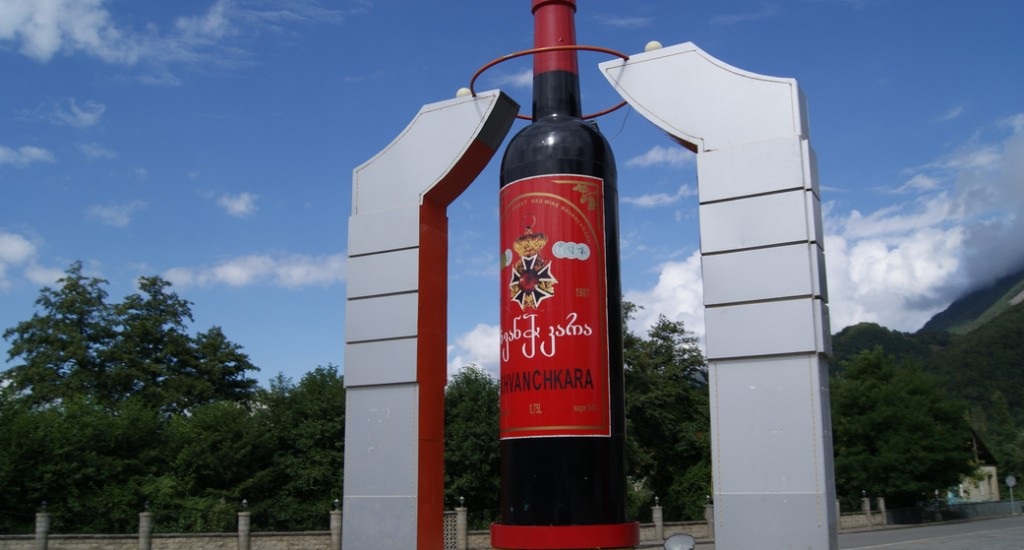
Year 1907 has become a landmark for world winemaking. The jury of the international wine exhibition in Belgium was shocked by the presented wine from the little-known Georgian mountain region – Racha. The highest awards of the Belgian King Leopold II, namely the badge, gold medal and Grand Prix, left for Georgia, which shocked the world wine society. Princes Levan and Dmitry Kipiani made it possible for the world to know the unique wine bearing the then name “Kipianevskoe”.
After this incident, it became clear that Georgia is firmly consolidating its position as a leader in world winemaking. Subsequently, Khvanchkara will prove its leadership more than once and will win the championship at many world-class twentieth-century exhibitions. Those who love and enjoy the unique taste of the Georgian pearl are very many all over the world.
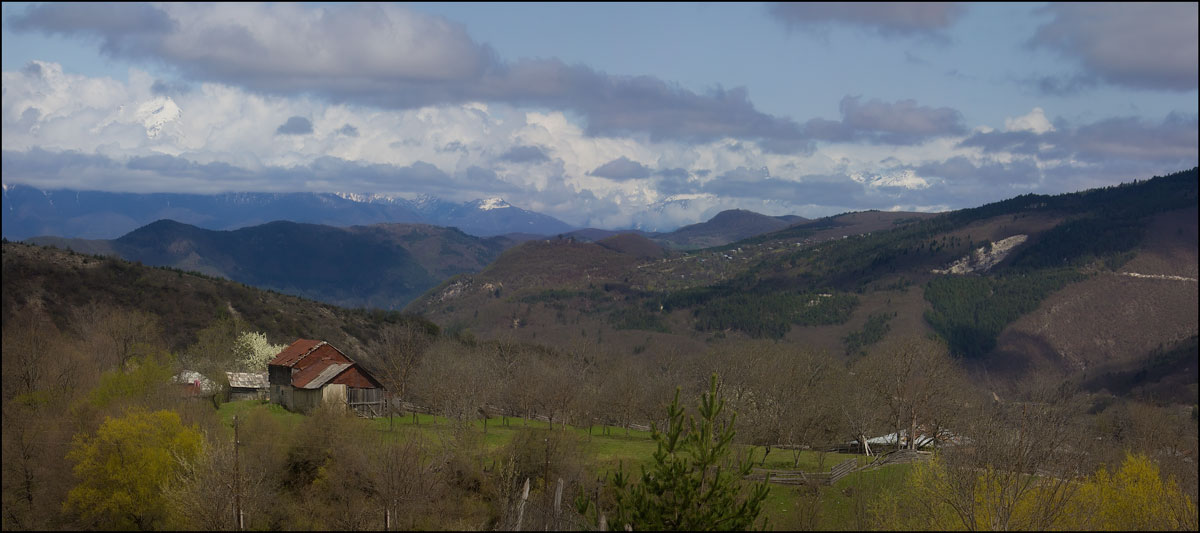
The Racha region is considered the oldest in world winemaking, the history of winemaking has not preserved many details, but there is some information that is well known.
For example, a fortress that belonged to the princes of Rachi and is located in Mindatsikha in ancient times was known for its huge jug, which contained 800 decalitres of wine. It was carved into the rock and impressed many with its dimensions. The fact that the Racha region is famous for its unique grape varieties and wine that is not found anywhere else has been known for centuries. Khvanchkara as a diamond in the crown of winemaking in the region of Rachi.
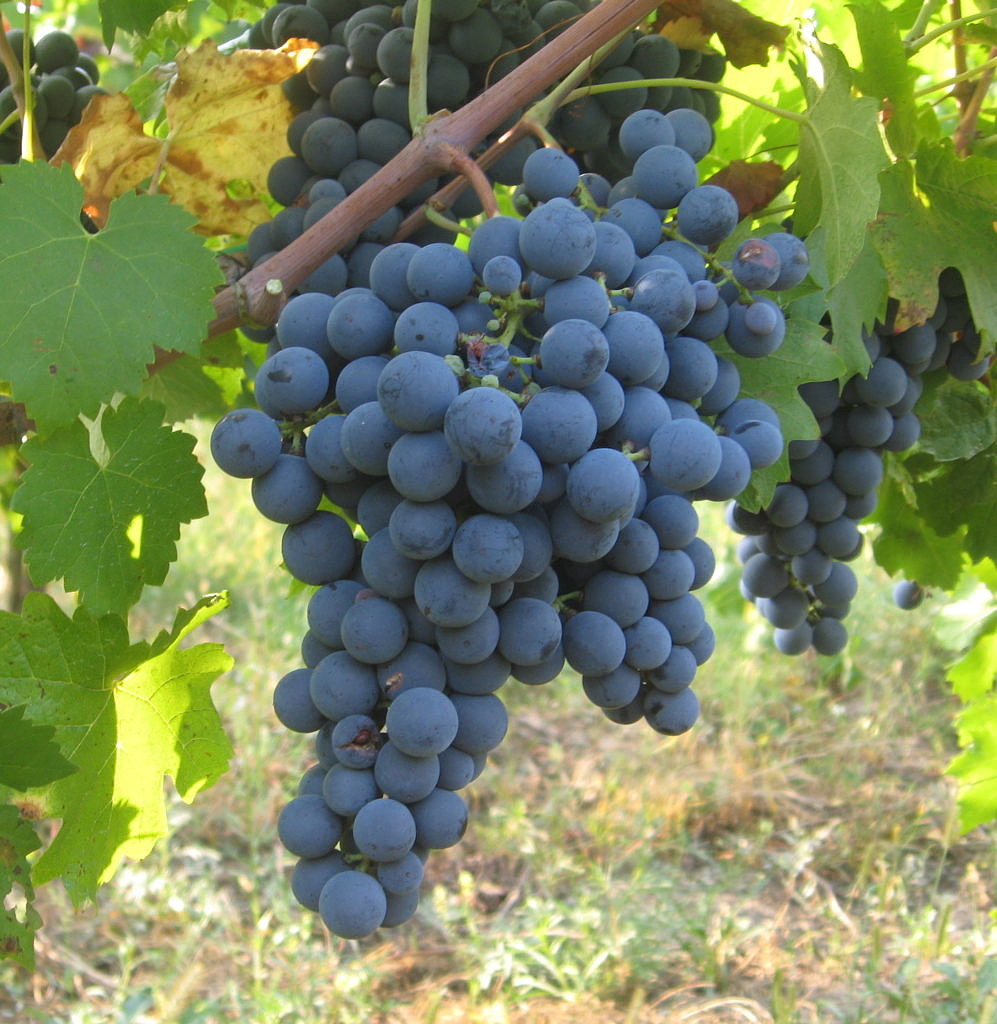
For the manufacture of the original Khvanchkara, rare grapes of the Mujuretuli and Alexandrouli grapes are used. The Aleksandrouli variety is unique not only in its properties but also in the geography of cultivation; it grows only in Racha.
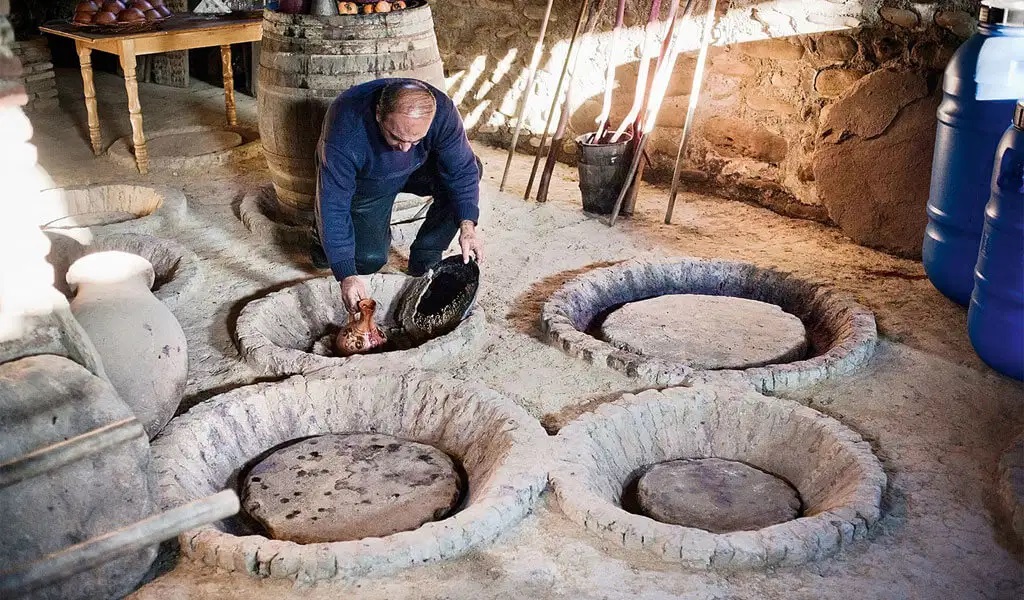
The manufacturing process of Khvanchkara deserves special attention, even in antiquity, local winemakers noticed one interesting feature, when late in the fall of the night they froze on the ground, they stopped the process of making wine, or rather the fermentation of wine must. Which subsequently had a very good effect on the health and taste of the wine.
The achievements and knowledge of centuries-old generations of Rachi winemakers were studied by the princes of Kipiani. Fame was first achieved in the homeland in Georgia, then in Russia and Europe could not resist after the victory in Belgium, leaving eminent winemakers from around the world with a nose. The rosette of the popularity of “Kipianevsky” wine came in the late nineteenth and early twentieth centuries.
In the thirties, Soviet party leaders, at the direction of Comrade Stalin, renamed Kipianevskoe wine as Khvanchkara. The ideology of the Soviet government did not allow the leader to drink wine bearing the name of the princes, albeit Georgian, a decision was made to rename one of Joseph Stalin’s favorite drinks.
His love for this wine began during Stalin’s youth, when he had to hide from the tsarist authorities in Racha. It was here that he met the love of his life and future wife Kato Svanidze. Stalin repeatedly remembered the meeting place and was very sad after Kato’s death. One way or another, but Khvanchkara always reminded Stalin of the first meeting with her beloved girl. Thus, the glory of Khvanchkara grew and gained a female appearance.

The uniqueness of Khvanchkara wine lies in an ecologically clean place where grapes grow, clean soils of the mountainous region of Georgia and soil composition play an important role in shaping the manufacturing process. Semi-sweet red wine “Khvanchkara” has a rich bouquet and a unique composition, it has no analogues in the world.
It was it that was taken as the basis for creating the unique 100% natural Khvanchkara cream soap.
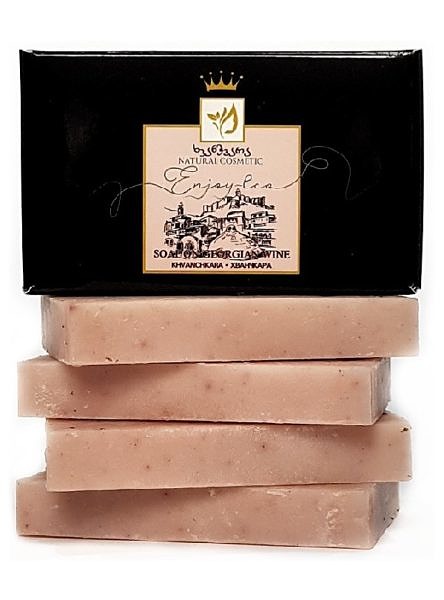
The advantages of this cream soap over many others are many. The first is of course the healing properties of wine from a unique region of Georgia, the grapes ripen in Rachi. Grapes in this region contain vitamins A, B6, C and folates, as well as important minerals iron, potassium, calcium, magnesium, selenium and phosphorus. The grapes from the mountain region of Rachi “Khvanchkara” contain flavonoids, which are powerful antioxidants, they neutralize the damage from free radicals, and slow down the aging process. The recipe for making soap is ancient and unique and is made on Georgian white wine and mineral water by saponification of olive and coconut oils with the addition of grape seed and shea butter. Also, Khvanchkara soap cream does not contain glycerin, preservatives or parabens. After making, the soap on the wine matures in a cool dark place for 14-30 days. Due to which it remains alive and acquires the highest quality, with time it becomes harder and more useful.
The Mujuretuli and Alexandrouli grapes contain fiber, minerals, vitamins, and even proteins that are very important for health. They give grapes healing properties to prevent many diseases.
For the manufacture of this soap, a variety of saperavi grapes is used, diluted with weakly mineralized, defended natural mineral water. Thanks to this, the soap acquires useful and distinctive properties inherent in grapes and wine. After saponification, various oils are added to it, giving the soap a creamy effect. On our site you can buy cream soap, at retail. It is also possible to buy Khvanchkara soap cream in bulk. To do this, you need to register on the site and submit an application, or contact us by phone number +38 (099) -134-20-29, or by writing to us by e-mail: enjoydez1@gmail.com, indicating “soap” in the subject line solid toilet to buy “. If you want to buy at retail 100% natural Khvanchkara cream soap, you can do this by clicking on the link to our online store: 100% natural Khvanchkara cream soap.